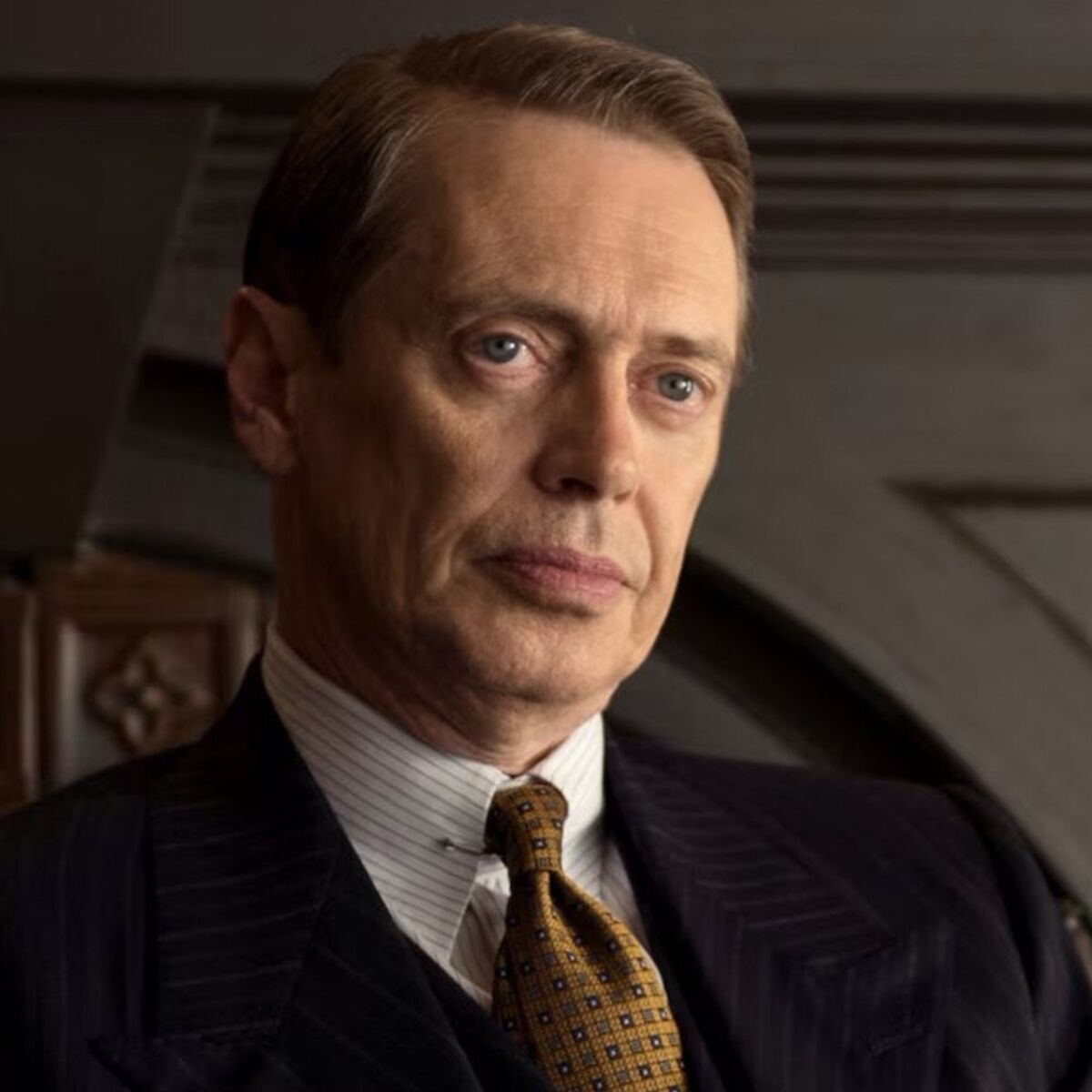
Jonn Elledge is a British author and journalist. He’s been columnist and assistant editor of the New Statesman, as well as a contributor to publications like The Guardian and I. He’s also the author of a number of books, including A Brief History of the World in 47 Borders and A Brief History of Cities in 32 Inventions.
In this episode, Dylan Ris and Jonn discuss Nigel Farage, his Brexit origin story, and why Reform is doing well. With that background, the discussion turns to Count Binface, the alien challenging Farage in the Clacton bi-election. Jonn has been a guest on Count Binface’s Trash Talk podcast, so he’s well-acquainted with Britain’s most famous visitor from the Sigma quadrant.
Jonn’s Substack, The Newsletter of (Not Quite) Everything: https://jonn.substack.com/
Jonn on Bluesky: https://bsky.app/profile/jonnelledge.bsky.social
Jonn’s author page at Amazon: https://www.amazon.com/stores/author/B092PS3XJH
Jonn’s appearance on Count Binface’s podcast: https://open.spotify.com/episode/2F5Ws9sqB9ysArJukaa1qc
Here’s the AI-generated transcript:
Dylan Ris (00:01.228)
Welcome to Personality Crisis. I'm your host, Dylan Ris, and we are honored to be joined once again by Jonn Elledge, coming to us all the way from the East End of London in the United Kingdom. Jonn, welcome back to the show.
Jonn (00:13.483)
Thank you very much for having me back. It's definitely not five minutes after we recorded the last one. It's a whole different week.
Dylan Ris (00:18.31)
No, I think it's only four. and in our last episode you you sort of talked us through how we got to Andy Burnham and what we might expect from his just begun reign as prime minister. And he's of course taking over for the not so successful Kir Starmer. and lurking in all of this has been far right
Gadfly and current candidate once again for Parliament, Nigel Farage. what do we need to know about the role that Nigel Farage has played in UK politics?
Jonn (01:01.719)
Probably the most important thing you need to know is that it's all his fault. He is a long standing Euro skeptic. He was a member of the European Parliament for a thing called the UK Independence Party, which he led for many years, whose only policy really was Brexit, was Britain should not be a member of the European Union.
Dylan Ris (01:07.404)
Mm-hmm.
Jonn (01:27.573)
which makes it a bit upsetting that, you having been an MEP, Nigel Farage has quite a generous pension from that. So he's still, he's still doing all right out of Europe, even if nobody else is. But UKIP, like there's, there's long been a strain of Euro skepticism on the right of British politics. It used to actually be a left wing thing. And it kind of flips in the 80s, when when Margaret Thatcher changes sides.
But but there's since certainly since the early 90s, like there's been a strong strain of Euro skepticism, which basically means that not wanting Britain in the European Union on the right to British politics. For a long time, UKIP was a fringe party in 2014. It UKIP did very well in that year's European parliamentary elections that scared the living shit out of the then reigning Conservative Party. So in
the manifesto for the election of 2015, Prime Minister David Cameron promised his party that if they won an election, if they won a majority of next election, there would be a referendum on Britain's membership of the European Union. Now, as I understand it, David Cameron thought he wouldn't never have to do that because for five years the Tories were in a coalition with the centrist Liberal Democrats because they hadn't won a majority.
So the Lib Dems are quite pro-European, temperamentally. So the expectation was that that would get traded away in coalition negotiations. But what happened at the 2015 election was the Lib Dems got completely wiped out. The Conservatives unexpectedly won a majority. And David Cameron found himself holding a referendum that he never particularly wanted to hold, which the leave side then went on to win.
So Nigel Farage is, and Nigel Farage was a huge figure in this. was, know, he's very charismatic. He's a populist politician who speaks to a particular kind of right-wing voter. He has a, there are certain Trump equalities to him. He speaks to kind of the same kind of voter. Like obviously he's a, parallels are not perfect. Obviously he's a much more British equivalent. Not everything kind of maps on.
Jonn (03:50.67)
but he's in that kind of populist space. So he kind of gave us Brexit. And despite Brexit having been a complete and total disaster and people now, know, polling overwhelmingly showing people think it was a mistake. Despite that, Nigel Farage came back with, well, he's had several political parties. First of all, was the Brexit party, which was in 2019.
Then he launched another new party again, which was the Reform UK, which at the last general election in 2024 won, I think, five seats, which is not that many, but it was, for a party out of nowhere, was surprisingly successful. within no time at all, it was polling ahead of the Conservative Party. And not that long after that, it was polling ahead of the Labour Party.
So much of our political conversation has been about whether Nigel Farage is going to become prime minister after the next election. However, there is a twist, which is his financial affairs are proving quite contentious. It has been a run of stories reported by the Sunday Times and The Guardian looking into his finances. And it turned out that he received a gift.
of five million pounds from a crypto billionaire based in Thailand, shortly before the announcing that he was going to run again for parliament for I think the eighth time. And that was the first time he was actually elected as one of those five MPs. We have a very different relationship to money in British politics to the one that you guys have. You can't just give large piles of money to a campaign. That's not really how it works over here. And also,
The average British voter fucking hates their politicians. want them to be suffering at all times. They think they work for us, but should not be paid very well for it. So all this has left quite a bad smell around him. There's been a run of negative stories. He tried to get ahead of it by sort of going out there and doing this sort of shit eating interview strategy. So there was a Monday in June, I think, where he was interviewed by everyone who would take him.
Jonn (06:13.741)
knowing they would ask him about this. And clearly the strategy was just like they will ask about it once they will get bored, the story will move on. What actually happened was Farage couldn't contain his temper. There is now plentiful footage of him saying things like, if I want to spend it on Ferraris, I can, or it's none of the public's business what I spend it on, which does not really play well in British politics. So the story kept rolling on.
Dylan Ris (06:32.322)
Mm-hmm.
Jonn (06:42.093)
give a roll for a couple of weeks, he called a press conference, of which there were rumors he was going to stand down because he was sick of it, because it's like it's not a very nice life. He would frankly have far more fun if he went to the US and just spent all this time being interviewed by Fox News. So there were rumors he was going to stand down completely, or what I was thinking would be the nightmare scenario of him standing down, but coming back eight months before the election, when everyone's forgotten about the money. I think that would have been quite a clever strategy.
Dylan Ris (06:56.813)
Mm-hmm.
Jonn (07:12.107)
What he actually did was he said he was standing down as MP to call a by-election in his own seat of Clacton on the East Coast of England. And clearly the intention was that he would win a thumping majority again. He would beat all the established parties. And he'd be able to say, the parliamentary investigation into my finances, which is still ongoing, is irrelevant. There's no point calling another by-election. I've just won one. Clearly the people are behind me. Bugger off.
What actually happened is none of the other parties, all the other parties said, well, do what you want. We're not running. So now Nigel Farage is running against 33 joke candidates.
Dylan Ris (07:52.91)
And one of those joke candidates seems to be pulling quite well. what should we know about Count Binface?
Jonn (08:01.517)
I love Count Binface. I've actually I've been on his podcast, he does a podcast called Trash Talk with Count Binface. He he's actually it's the it's the alter ego of a comedian called John David Harvey. He's been standing in every election against normally against the sitting Prime Minister he ran against Andy Burnham in the recent by-election in Makerfield.
Dylan Ris (08:03.48)
Mm-hmm.
Dylan Ris (08:07.852)
No
Jonn (08:28.295)
And it's just, you we have a long standing tradition in British politics of joke candidates. Sometimes you do it to kind of highlight a particular issue. Sometimes it's just a laugh. Like it's kind of it is it sort of comes from there's a Monty Python sketch, which is like the silly party versus the sensible party. And that inspired a musician and hippie called David Such to rebrand himself as Lord screening Lord Such.
and found the Monster Raving Looney Party in 1982. So like for a very long time, we've had quite prominent, silly candidates in every election. And it's, you know, it's seen as part of our, so the way of doing politics is like, you know, you can be elected by the British people, but you are going to have to stand in a leisure centre at three in the morning, while the returning officer announces the results next to someone dressed as a bin or
Dylan Ris (08:56.024)
Mm-hmm.
Jonn (09:23.005)
or know, or Paddington Bear or whatever it is, like there will always be someone next to the successful Prime Minister at the moment of their victory, making them look like a complete and total prick. And that's just a thing we do in politics. So Count Bimface has been running in elections for a number of years, he stood against Boris Johnson, he stood against Keir Starmer. He's actually quite a smart, funny guy, like he's a satirist, like when I
Dylan Ris (09:23.17)
Yeah, right.
Jonn (09:51.47)
when he interviewed me, he had really clever questions. He's a very thoughtful guy. He does actually think about British politics. And some of his ostensible policies are very silly, you know, obvious jokes. Like he wanted to nationalize Adele, the musician, because she'd been complaining about her tax bill. So it's like, okay, we'll nationalize you then. But on the other hand, he also has long been campaigning for lowering the voting age to 16.
Dylan Ris (10:07.363)
Mm-hmm.
Dylan Ris (10:12.702)
Mm-hmm.
Jonn (10:21.175)
which is something the governing Labour Party have actually now done. So, you know, he is a very thoughtful guy. And because none of the other major parties are running in this election, opposition to Farage is kind of coalescing behind binface. He is the most high profile of the many joke candidates, not all of whom realize they're joke candidates, but they are. So he is almost certainly going to be the best performing opponent against Nigel Farage.
It is highly unlikely he's going to win almost because it is, know, Farrar's chose Clapton for reason. It is quite a depressed seaside town. For some reason, the East Coast of England is is very right wing in its politics, like, you know, beyond the Conservative Party right wing. It is reactionary, a bit racist. So Clapton elected him very strongly in 2024.
Dylan Ris (11:07.885)
Hmm.
Jonn (11:17.727)
It is hard to see how he doesn't win again this time. But by refusing to stand against him, all the other parties have meant he can't claim a mandate from it. And he's going to have to spend his summer having political arguments with a man dressed as a bin.
Dylan Ris (11:27.105)
I see.
Dylan Ris (11:34.838)
So if if if if he has to do that in Clackton, a depressed right wing town, that then doesn't speak too highly of his prospects for the country at large. In other words, are the predictions that he might become prime minister a bit overblown?
Jonn (11:54.696)
There's a real possibility. I actually think one of our best shots of him not becoming Prime Minister is he doesn't really want to be Prime Minister. I think it is probably like he there was this mysterious gift. And then he ran for parliament when he wasn't going to. Now, what is going on in his head is impossible to know. But that is the order of events that
He has said this was because he needs security because, you know, and it is true, he's described himself as the, you know, the most attacked politician in Britain. That ignores the fact that in the last 10 years, two different MPs have been murdered. So, you know, it is, it is frankly, taking the piss to claim that he is the most attacked. But nonetheless, he is not entirely wrong that there are probably, you know, there are sometimes acts of violence against MPs.
And Farage as a high profile populist who many people really do not like, it is probably true that he did need some security. However, it turns out he was offered the same security as a minister by the state. Like, that has happened. So why he accepted this gift, who knows? But it is very clear that he feels he could make a lot more money outside politics than in it. And if he becomes prime minister,
as Boris Johnson found before him, you actually have to if you're if you're quite a if you're earning quite a lot of money writing books and columns and appearing on television and so on, which you can do on the populist right, you have to give all that up to be prime minister, you can't keep doing things. So probably it would mean a pay cut for Nigel Farage. And also everyone would hate him within 20 minutes. I mean, a lot of people hate him now.
Dylan Ris (13:50.552)
Mm-hmm.
Jonn (13:50.626)
but he would actually have to take responsibility for his decisions rather than just throwing rocks from the sidelines. And probably even a lot of the people who voted for him would soon hate him because that is what happens to British prime ministers very, very quickly most of the time. So I think he's a bright enough man to realize that it will be worse for his bank balance and worse for his self-esteem and popularity with his voters. So I think he probably doesn't really want the job.
frankly, it is possible he decides to back away from politics as to whether he could win an election like the Conservative Party brand is completely tainted by having broken the country in the last 15 years, and showing very little sign of understanding that firstly, they need to kind of show that they realize what they did. And secondly, they should be sort of trying to appeal to more centrist voters that they they are losing to the Lib Dems.
whereas they only seem to worry about the right-wing voters they're losing to reform. So that is why reform are doing well, really, because there are going to be about a third of any electorate that have right-wing opinions, and a lot of them are going to vote reform because they don't like the Conservative Party at this point. It is entirely possible that reform win the next election, but I think it is less likely if Nigel Farage doesn't lead them than if he does.
Dylan Ris (15:14.094)
How has the now ended Keir Starmer administration impacted Farage's political
Jonn (15:25.389)
It has made him a lot more popular, which is horrifying. But there is a danger of kind of going down a rabbit hole of internal labor politics, which nobody really wants even people in the Labour Party don't like that. But Keir Starmer is not a man of strong political beliefs, as far as we can tell. He's an administrator. He thought he would do a good job of running the Labour Party and then governing the country, but he doesn't have particularly strong ideology.
a lot of the people around him came from a faction called Blue Labour, which is basically socially conservative, maybe quite anti immigration, but in favour of more left-wing economics. That is kind of the idiots guide. And the Labour Party, you know, the main enemy of anyone in the Labour Party will be a different bit of the Labour Party. That is just how it works.
that will be that the arch nemesis of blue labor is not anyone on the right of British politics. It is the left wing bit of the Labour Party. So they and I think that's a function of like a lot of these guys come up through individual constituency Labour Party, you see the way it's like, you know, a lot of it's based in who you're friends with. And you know, political opinions harden based on women, not those guys over there. So the people around Keir Starmer
made it very clear that they didn't like either the full-on left, who had been associated with Jeremy Corbyn's leadership of the Labour Party, they wanted them out, but they also didn't really like social liberals. And so they spent a lot of time doing things intended to communicate that both of those groups could fuck off. The problem being that between them, those two groups make up most of the base of the Labour Party vote.
The line that Keir Starmer's operation has pushed was basically like, well, no, sorry, one more thing I should explain. The theory was that the biggest threat to Labour winning a second term was reform doing really well. The voters that the Labour Party might lose on its right to reform over cultural issues like immigration. So their theory was like, we will kind of like be quite hardline on immigration.
Jonn (17:47.02)
We will make a lot of noise about how we don't believe in multiculturalism and things like that, but we will quietly do various things to redistribute money around the economy. That was the political strategy. And the assumption was this would be fine because then you would keep those votes you're losing to your right, but the ones you might lose to your left had nowhere else to go and would push comes to shove, would actually vote Labour anyway.
Now, what actually happened was the Labour government became so unpopular so quickly that it started losing by elections and councils to the Green Party because suddenly there was space for a left-wing challenger. At the same time as like the reform vote share went through the roof, it turned out that like, know, Nigel is wrong. Nigel is right. Vote Labour to stop him was incoherent and stupid as an electoral platform.
Dylan Ris (18:38.664)
Mm-hmm.
Jonn (18:41.973)
So that's basically why, why, why starmerism didn't work because it was so built on telling your own voters to fuck off on the assumption to impress people who probably weren't going to vote for you anyway, because they just don't want to labor government.
Dylan Ris (18:57.098)
And as an opposition, how much is reform and Farage's movement, how much is it tied into him specifically as a singular figure? You know, again with the analogy to Donald Trump, who does not have an air apparent with his popularity. What how w how does that play out in in in England?
Jonn (19:18.124)
Yeah, I mean, it is a it is a problem. I mean, his other parties did tend to fall to bits. Whenever he wasn't around. It was a bit of a cult of personality. And he also has a record of not playing well with others and not wanting to share the limelight. So often, yeah, so so in the same way,
Dylan Ris (19:38.894)
We know that here.
Jonn (19:45.9)
that like I have sometimes wondered like, did Trump pick JD Vance because he you know, everyone hates him because he's kind of electoral poison. Therefore, he's not really a threat. Which, you feels possible. It's oft Yeah, it's often felt like Farage has not really wanted anyone else in his own movement to come forward. So that is a problem. As it stands, there are a couple of people who have become a bit
Dylan Ris (20:01.322)
definitely.
Jonn (20:14.047)
more prominent. mean, there are various people who were in the last Conservative government who have defected to reform, including Suella Bravaman, who was Home Secretary for a while. I think she was actually fired as Home Secretary twice. But one of those, we seem to be on a bit of a run of people from non-white bits of the British population pushing quite
hardline anti-immigration policies. well, a bravman was an example of that. She defected to reform, as did a guy called Robert Jemrick, who I can't remember what jobs he held in the Conservative government. But a number of those guys have gone over. So there is kind of a version of events where it does kind of replace the Conservative Party.
in the same way that the Canadian party called reform did in the 1990s. But the problem they have is it's currently, there is, as I understand it, quite bad blood between the people who've been around Nigel Farage forever and came up from UKIP and the Brexit party, who don't, and a lot of their voters who don't like the Conservative party, that's why they weren't voting for them. And these guys who just want it to be a vehicle for a continuation of the Conservative party. So it is unclear if Farage goes, it's...
Dylan Ris (21:12.981)
Mm. Mm.
Jonn (21:39.477)
It's unclear what happens or who takes over. think Jemrik is probably the most likely, but he does have the JD Vance quality of just like when people see him, they really do not like him. And that is that feels like something that could hold back a political career.
Dylan Ris (21:50.264)
Yeah.
Dylan Ris (21:55.998)
But and maybe Farage is vulnerable to financial scandal in a way that Trump clearly isn't bribe taking.
Jonn (22:02.849)
Yes, I mean, we fundamentally we don't want our politicians rich in the way you guys do. Also, there's something else I forgot to mention, which is there is an even more right wing challenger party called Restore, which was started by a guy called Rupert Lowe, who was kicked out of reform after being elected as an MP, ostensibly because he had quite, you know, properly full on racist views, I think. But but also
Dylan Ris (22:07.832)
Yeah.
Jonn (22:31.467)
there was a whispers it was because he was getting quite a lot of attention and Nigel didn't like that very much. like reform is anti-immigration and with a slightly, sometimes slightly Islamophobic tinge to it. But it's not kind of like full on white nationalist, Restorer pushing in that direction. That is kind of splitting the hard right vote. So it's, it is very unpredictable what happens in British politics in next few years.
Dylan Ris (22:36.696)
Hmm.
Jonn (23:00.493)
It would be really fun to watch if I didn't have to live on this island.
Dylan Ris (23:03.886)
Yes. Well, it's good to know that Count Binface isn't the only hope for dispatching of Farage. He might do that himself. we need to wrap it here, but John, where can our listeners find your work if they haven't caught it in our prior episode? where should they read more from you?
Jonn (23:22.951)
I have a sub stack called the newsletter of not quite everything. I have a bunch of books out on your side of the Atlantic, including a brief history of the world in 47 borders and the new one coming out this autumn, which is called 32 inventions that built the city.
Dylan Ris (23:39.158)
Wonderful. Well, thank you so much for your time, John. we are definitely the wiser for it. and we'll be watching with wrapped suspense as the count takes on Mr. Farage. thank you so much. Really an honor. Thank you.
Jonn (23:52.343)
Thank you so much for having me.
