

It seems pretty clear that the geniuses who “planned” the Iran War (JK - they really don’t know how to actually plan, well, anything) overlooked a totally inconsequential factor: insurers.
Also:
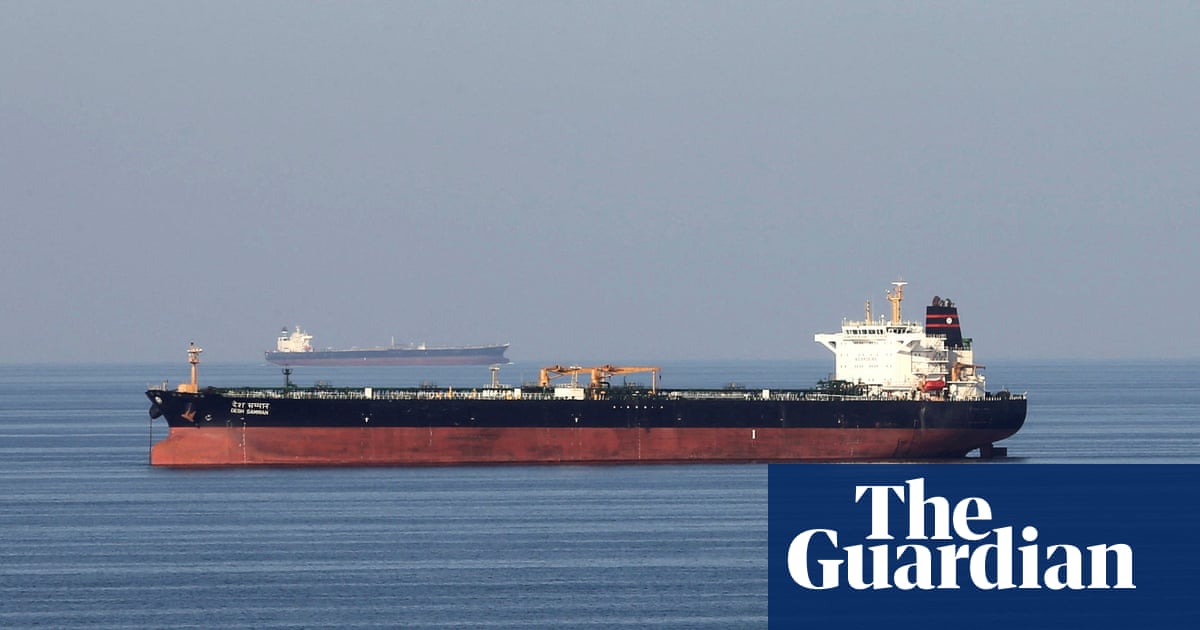
Hmmm. So they didn’t think through that the Strait of Hormuz might be closed because of a war and that Iran might use its geography and positioning to wreak havoc on the world economy?
It’s actually pretty amazing. When you listen to “President Hegseth” (in the words of our likely next DHS Secretary, plumber turned Okie Senator Markwayne Mullin), he’s all about the “warrior ethos” and “no stupid rules of engagement”. Not a lot of talk about strategy or tactics or the fact that the enemy might actually have some agency in this war and fight back in asymmetrical ways that don’t involve bombs, bombs and more bombs (yes, Hegseth and Trump have bombs on the brain).
I tend to agree with the title of JV Last’s column over at the Bulwark (it’s worth the read):

But the Iranians have been highly successful in creating second- and third-order effects.
Gas prices have spiked.
As recently as two weeks ago Trump’s entire “affordability” argument was based around low gas prices, so he is vulnerable here.
Worse: Elevated energy costs will contribute to overall inflation, which will make it harder for the Fed to cut rates and boost Trump’s slowing economy.
American war planners seemed to think they could prevent Iran from militarily closing the Strait of Hormuz.
The Iranians understood that the insurance industry could functionally close the Strait for them.
Closing the strait is also raising the prices of fertilizer components, which will put upward pressure on food prices—another political vulnerability for Trump.
Not to mention commodity prices. For example:
The supply of liquid natural gas is being disrupted.
A major aluminum smelter in Qatar has shut down operations because it does not anticipate being able to get LNG supplies.
It takes months to bring a facility like this back online.
In the meantime, aluminum prices will rise.
Iraq has suffered a nation-wide power outage because of the war. The entire country is in the dark. Fixing this problem will take days and could endanger the stability of the Iraqi regime.
It does not seem to have occurred to anyone in the Trump administration that war in Iran would put democracy in Iraq at risk.
The Iranian regime does seem to have understood that vulnerability.2
The NATO coalition continues to splinter—America is now at odds with Spain.
The war is straining America’s already worsening relationship with India.
As I said: America’s leaders are playing checkers while the theocrats hiding in underground bunkers are playing chess.
Trump and gang are scrambling to play catch up, but it won’t be easy:
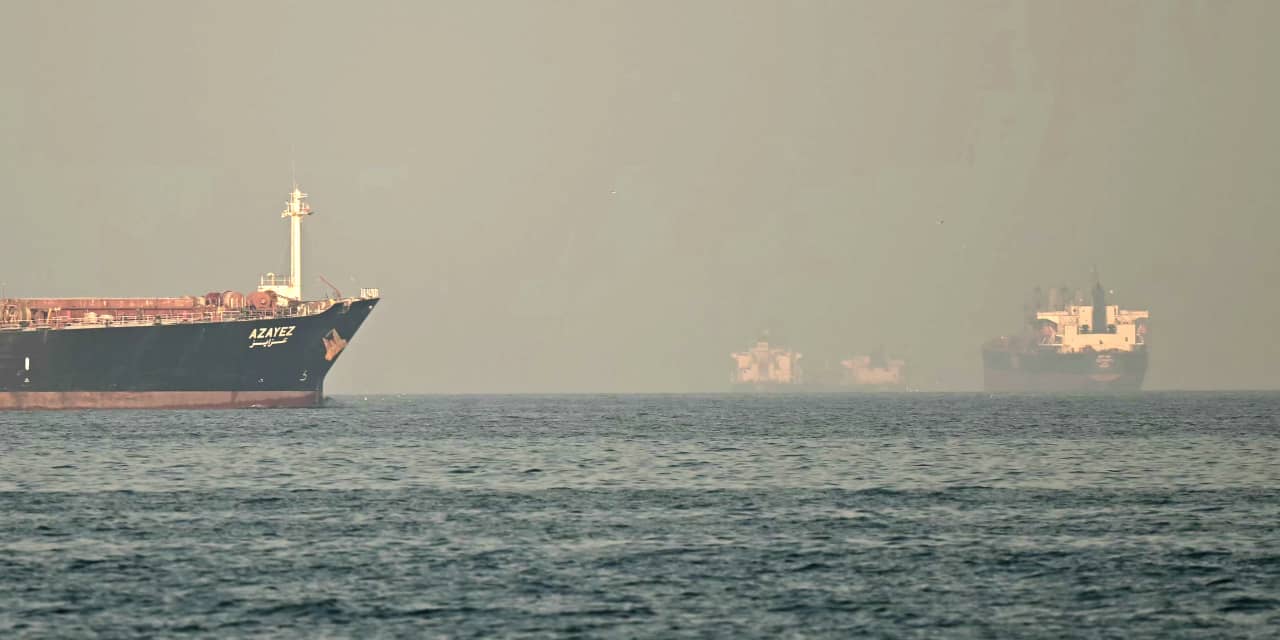

Maybe it would have made sense to consider this before they started dropping bombs?
We have a clear military advantage over the Iranians. We can bomb the sh*t out of them. But as JV Last writes in the article linked above, history shows air campaigns alone generally don’t result in the desired results.
The underreported issue here is the utter incompetence of the people in charge. We should have little to no confidence that the end result of their adventurism will be a positive one - or even whatever it was they “planned on (because, seriously, I don’t think they thought though what a real end goal/vision might look like).
That puts the insurers in the catbird seat. Their decisions can wreak havoc on the world economy or end an illegal and not-well-thought-thru war.
Time will tell.
